
An open-intake system at Maricopa County Animal Care and Control requires staff to manage thousands of animals each year and make euthanasia decisions when safety concerns arise.
Maricopa County Animal Care and Control is a local shelter that takes in any animal regardless of age, behavior or medical needs.
Kim Powell, communications supervisor at Maricopa County Animal Care and Control, said their open-intake policy helps the shelter serve the community but also creates pressure to manage so many animals at once.
“We're the fourth largest county with an open intake system,” said Powell. “We have taken in more than 17,000 animals. So on average, we've taken probably between 45 and 60 stray dogs a day.”
As intake numbers continue to rise, the shelter faces issues for maintaining the right amount of space.
Crowded kennels can stress the animals and affect their mental health. Powell said that the staff monitors each animal closely to ensure their well being.
Despite the high volume of animals, the shelter does not euthanize for space. Powell said that decision is made only in rare cases where an animal cannot safely stay in the shelter and no rescue partner can take them.
“There’s a lot of thought put into it,” Powell said. “We want every animal to have a chance at a positive outcome.”
Powell said most animals leave the shelter through adoption, return to owner programs, or foster care. The shelter maintains a 94% save rate, giving nearly all animals a second chance at life.
Nicole Berry, an alternative placement supervisor at Maricopa County Animal Care and Control, said that fostering plays an important role in helping animals adjust outside of the shelter environment.
“They’re always better. One hundred percent of the time,” Berry said. “This is not a place for any animal, even with the right care that they do receive.”
The shelter is able to reduce stress and learn more about each animal’s behavior by placing them into foster homes.
Many animals show improvement quickly once they are in a home setting and that helps them to get adopted faster.
Foster programs also help make more space for incoming animals. This becomes especially important during seasonal spikes in intake.
“The shelter usually reaches full capacity in the summer time and really relies on the community for support during these times,” Berry said.
Community members can also participate in programs that do not require a long-term commitment, but still make an impact.
Madison Ferreira, a college student who participates in the shelter’s ‘Tails Around Town’ program, said the experience has allowed her to help animals while also balancing her busy schedule.
“I don’t have the time or space to fully foster an animal right now, but I still want to help out as much as I can,” Ferreira said. “Taking out a dog for the day helps both them and me with my mental health.”
The shelter also hosts events that allow community members to take animals in for a few days during a holiday.
“We do things like our Turkey Trotters, where people can take a dog home just for Thanksgiving break,” Berry said. “It’s a great way to introduce people to fostering without a long-term commitment.”
With rising intake numbers, community involvement remains essential in helping the shelter keep up with demand, Berry said.
Whether it is adoption or fostering, each effort helps create space for another animal and increases the chance at a positive outcome.
“Behind every kennel is another animal waiting for a chance,” Ferreira said. “Be that person who gives them that chance.”
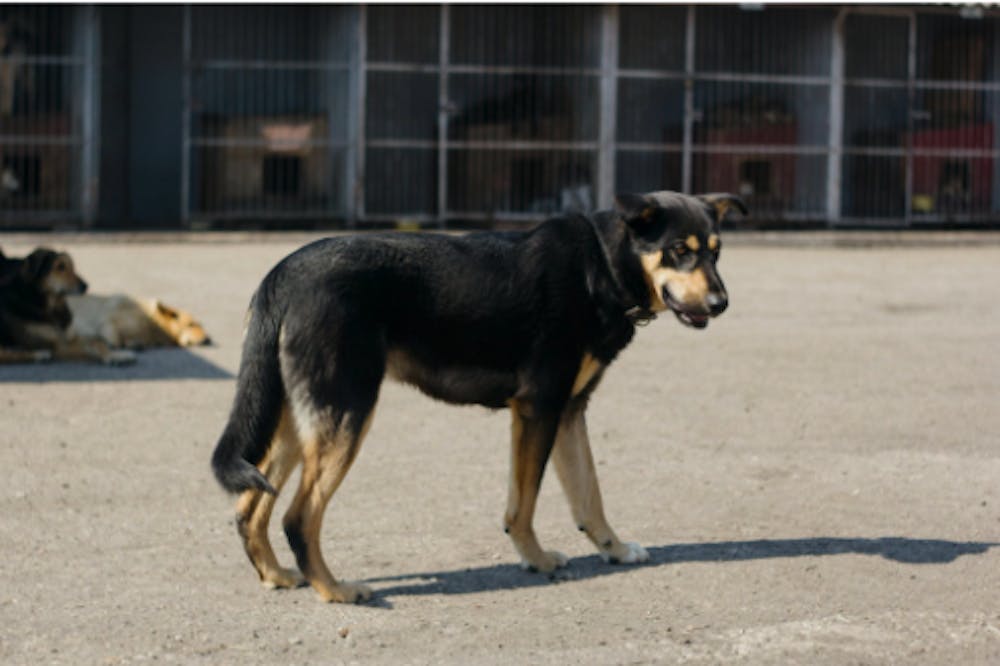
High Intake at Maricopa County Animal Care and Control Drives Difficult Decisions for Thousands of Animals.
Similar Posts
- — Resumen de la ronda de comodines: bates fríos, ofensivas encendidas y ¿un candidato sorpresa?
- — Peoria Teacher Questions how Student Safety is Reported
- — ASU splits weekend series at Lindenwood amid ongoing uncertainty
- — Mordecai secures victory in pro debut at Cage Series 11
- — Constantini fuels No. 12 ASU past Iowa State to open homestand