
Image Credit: Pexels
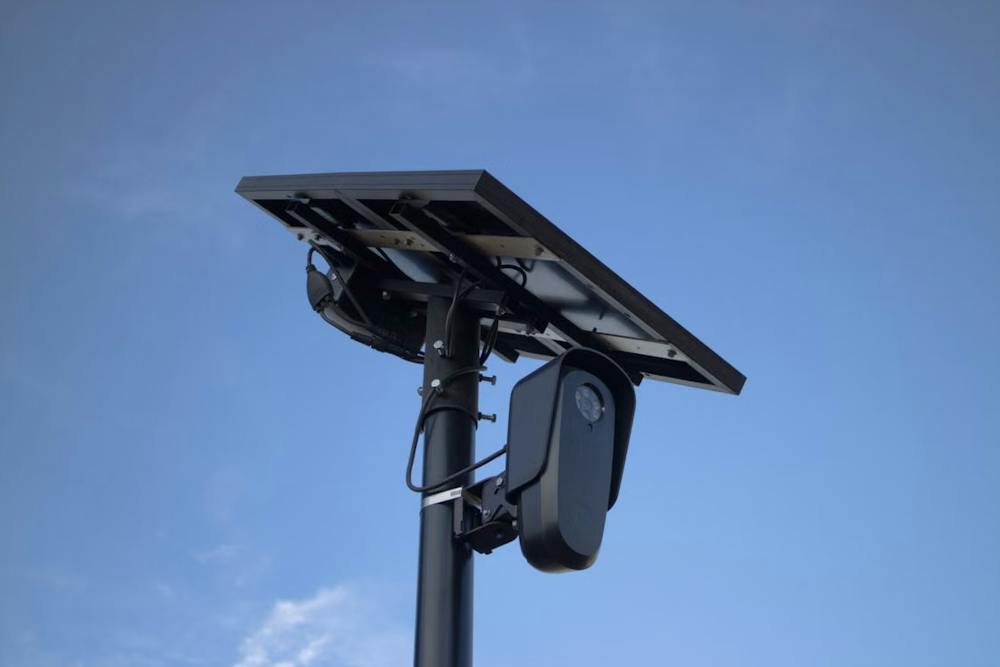
TEMPE, Ariz. - An engaged crowd of Tempe residents and frequenters nearly filled the city council chambers of Tempe City Hall on Oct. 15, where many members of the public spoke on the proposed Automatic License Plate Reader (ALPR) ban.
There were a total of 30 public comments addressing the proposal. Only two of those people were against the ordinance.
Councilmember Bobby Nichols proposed an ordinance to amend the Tempe City Code and ban ALPR technology in Tempe on Sept. 24. He briefly described the ordinance, what it could prohibit and how it could be effective.
Prior to the meeting, a survey was conducted to understand the public’s view on the use of ALPR in Tempe. According to the survey, 71.9% of the 278 people who responded strongly support Tempe’s ban on ALPRs and 21.6% strongly oppose it.
The survey provided a basic understanding of where the public stood on this issue, but the meeting gave the people the opportunity to speak directly to the council.
Tempe resident Darlene Justus said she was concerned about the proposed ban on ALPRs.
She brought up an example where ALPR was used to benefit her neighbors when their car was stolen. She added that ALPR technology could be used to aid larger matters like child abductions, human trafficking and missing person cases.
“I’m here for us because this technology can help people,” Justus said.
Tempe Police Chief Kenneth McCoy commented on this issue and said during the meeting that the police department is aware of the privacy concerns related to ALPRs, but they cannot support a complete ban on the technology.
“Our priority at the Tempe Police Department is public safety and we utilize every tool that is available to us to ensure our community is safe. ALPR has proven to be instrumental in the work that we’re doing on a daily basis,” he said.
“The technology is good. It’s the way it’s being used that’s bad,” Justus said.
This is why McCoy suggested that guidelines could be put on the use of ALPR, so the technology can be used while addressing privacy concerns.
He said that termination or prosecution could be a punishment for misuse of this technology.
“We have had strong expectations and guidelines in place and we continue to strengthen those,” McCoy said.
Despite the Tempe Police Chief’s reassurance, some people still had concerns.
Arizona State University Ph.D. student Mason Paddie said he supported the ordinance because ALPRs have been around for a while and helped police track vehicle crimes. However, when AI became involved, such as Flock cameras, the technology started to be misused.
There have been cases where law enforcement has used the collected data from ALPR for personal reasons, Paddie said.
“Thankfully, this has not yet happened in Tempe,” Paddie said. “Given the current state of ALPR technology, an outright ban on ALPR makes the most sense to protect the privacy of citizens.”
Nichols continued, saying that this process may be moving quickly, but there has been very encouraging public support.
“The idea here is that in order to have comprehensive protection for our data, our privacy and our residents… putting something like this in place would be an effective way of making those protections established.”
This discussion will continue at the next regular city council meeting on Oct. 15 to hear whether ALPR technology will continue to monitor Tempe.